
So a modeling agency asked you to send “polaroids” — and you’re not sure what that means or how to do it right. You’re in the right place. In the professional modeling world, polaroids are the first evaluation tool every serious agency uses. Get them wrong and the door closes before you even walk through it. This guide covers everything: where the name comes from, why agencies ask for them, how to take them at home, what to wear, and the one rule everyone breaks.
What Are Polaroid Photos in the Fashion World?
The name comes from the Polaroid Corporation, the American company that invented instant-print cameras. From the 1970s through the 1990s, modeling agencies used Polaroid cameras at castings: within minutes they had a printed, unretouched photo of the talent — fast, practical, and honest.
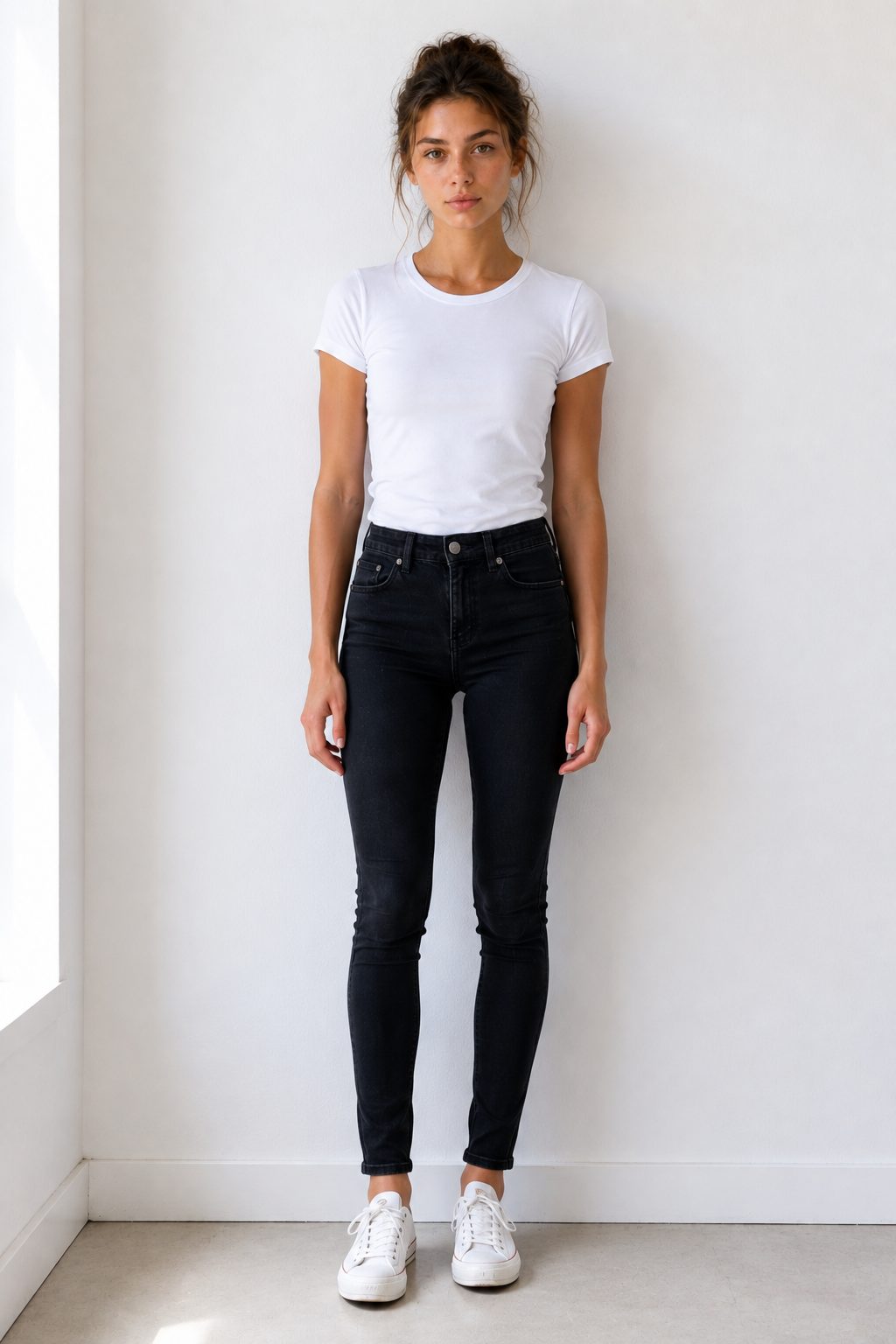
Nobody uses physical Polaroids anymore, but the name stuck. In English-speaking markets they’re also called digitals. Either way, the concept is identical: unretouched digital photos taken in natural light, with minimal clothing and a neutral background. The goal is to show talent exactly as they are, with no artifice.
These are not artistic photos. They are not portfolio shots. They are your “natural state” on camera — the most truthful tool an agency has to evaluate you before meeting you in person.
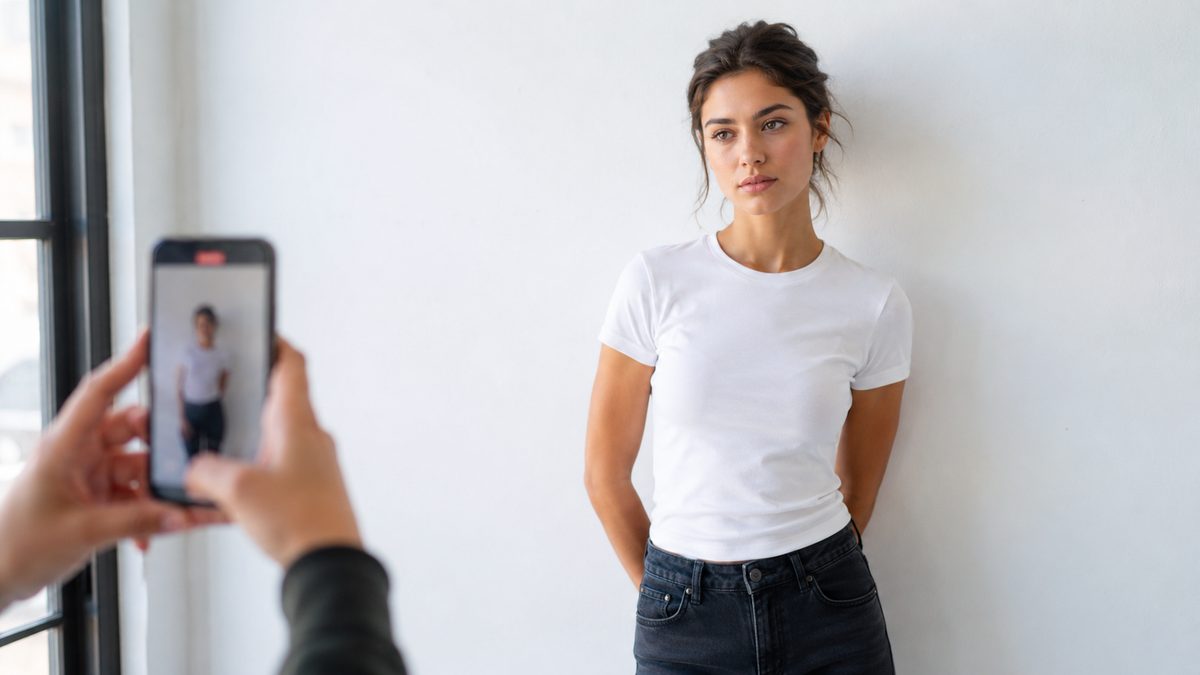
Why Do Modeling Agencies Ask for Polaroids?
When a brand or creative agency approaches a model agency in Europe for a project, the first filter always happens through polaroids. Before organizing a physical meeting, the agency needs to know whether the talent matches the specific requirements of the project.
Polaroids are used to assess:
- Real body proportions, not distorted by clever angles or wide-angle lenses
- Skin tone and texture in their authentic version, without foundation or filters
- Facial structure: cheekbones, jawline, forehead — without the leveling effect of makeup
- Natural presence in front of the camera, without the construction of a professional shoot
- Perceived height and the relationship between body proportions
A portfolio photo — with constructed lighting, full styling, and post-production — tells you none of this. It can actually create expectations that fall apart the moment the talent shows up for a real casting. A professional casting agency uses polaroids as a standard pre-selection tool for every project.
Polaroids are also used in digital books that agencies send to clients: they’re often the first thing a creative director, buyer, or marketing manager sees of you before any meeting.
How They Should Look: The Basic Rules
Polaroids follow precise standards. There is no room for creative interpretation.
Makeup and Grooming
- Women: no makeup, or at most light mascara and clear lip gloss. No foundation, no contour, no smoky eye, no false lashes.
- Men: no makeup. Beard neat and groomed if you normally wear one, otherwise clean-shaven.
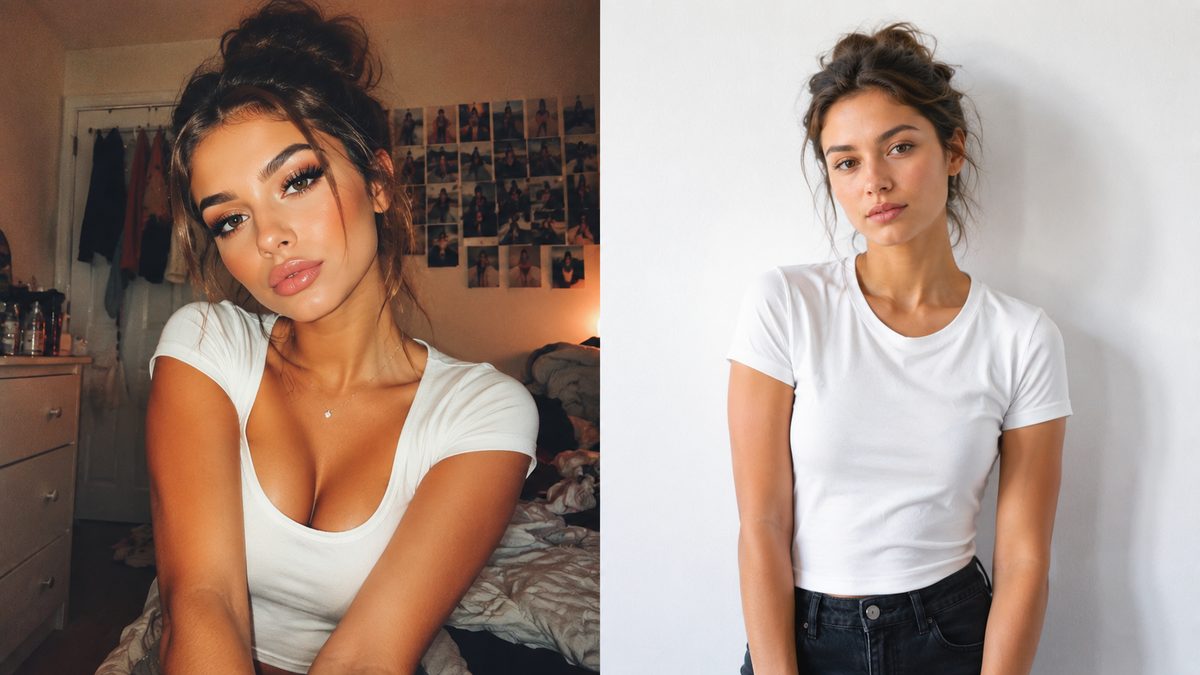
- Hair: natural and clean. Down or tied back simply — no elaborate styling.
Outfit
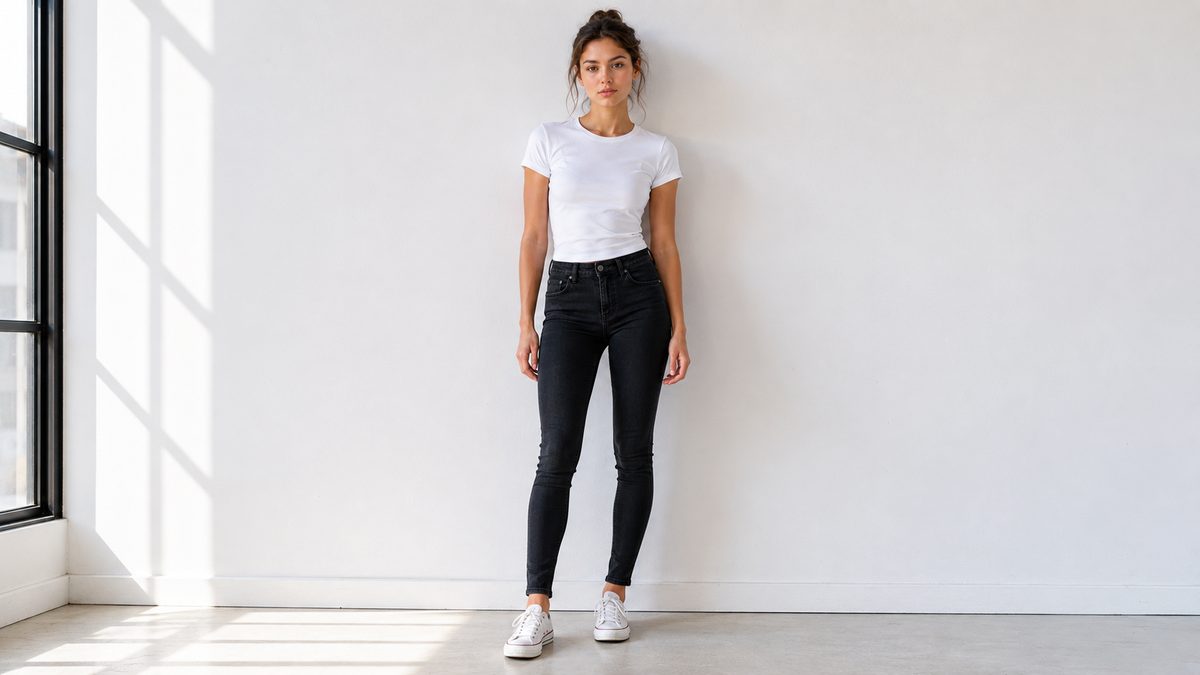
- Women: plain solid-color bodysuit or bikini (white, black, or nude), or a fitted crop top + simple fitted shorts with no prints.
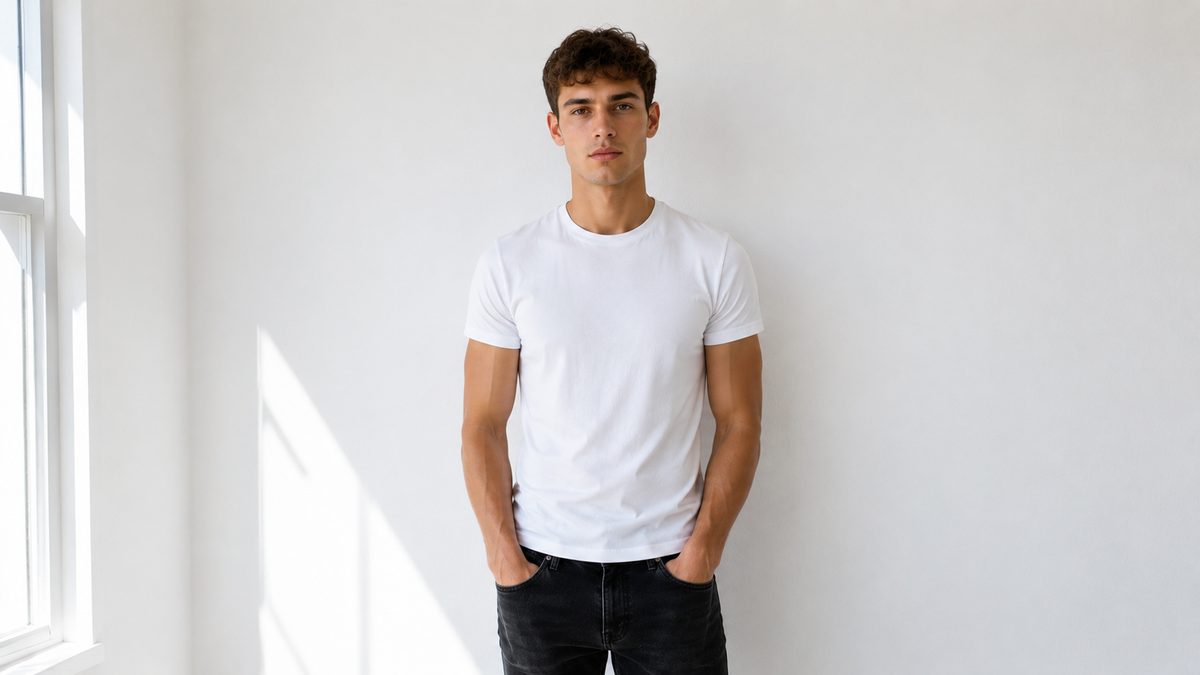
- Men: fitted boxer briefs or shorts, bare chest.
- No bold jewelry, no accessories, no hats.
- If you have tattoos: show them. The agency needs to know from the start.
Background
- White or neutral grey. A plain white wall is ideal.
- No colored backgrounds, no visible plants or furniture, no cluttered home environments.
Lighting
- Natural and diffused, from a window. Position yourself facing the window, not with the light behind you.
- Avoid warm artificial light or neon — they shift your skin tone and make proper evaluation impossible.
- Avoid direct flash: it creates flat shadows and makes skin look unnatural.
- Best time: morning or late afternoon with soft light, not midday direct sun.
Standard Poses Required
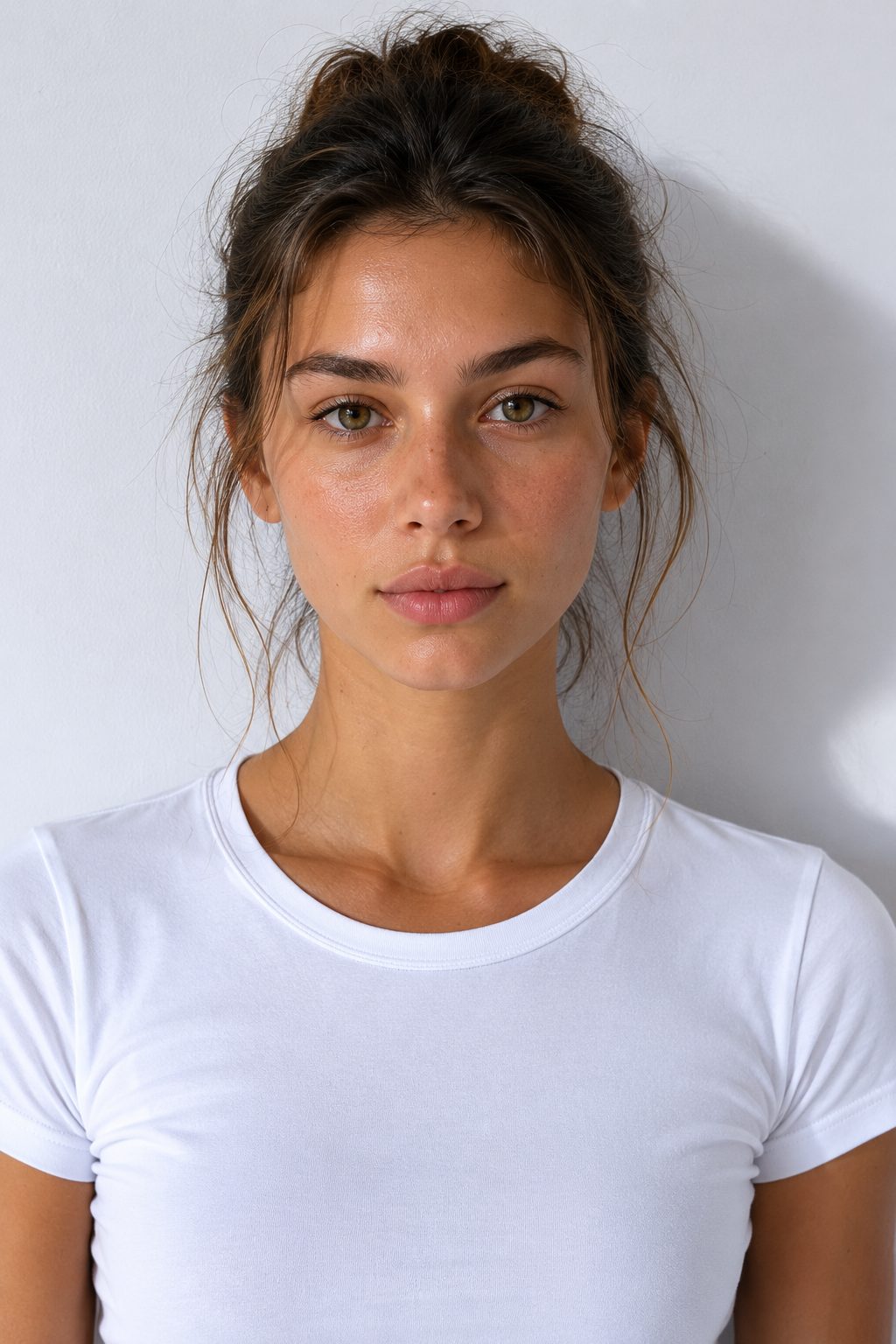
- Face front — close-up, neutral and relaxed expression
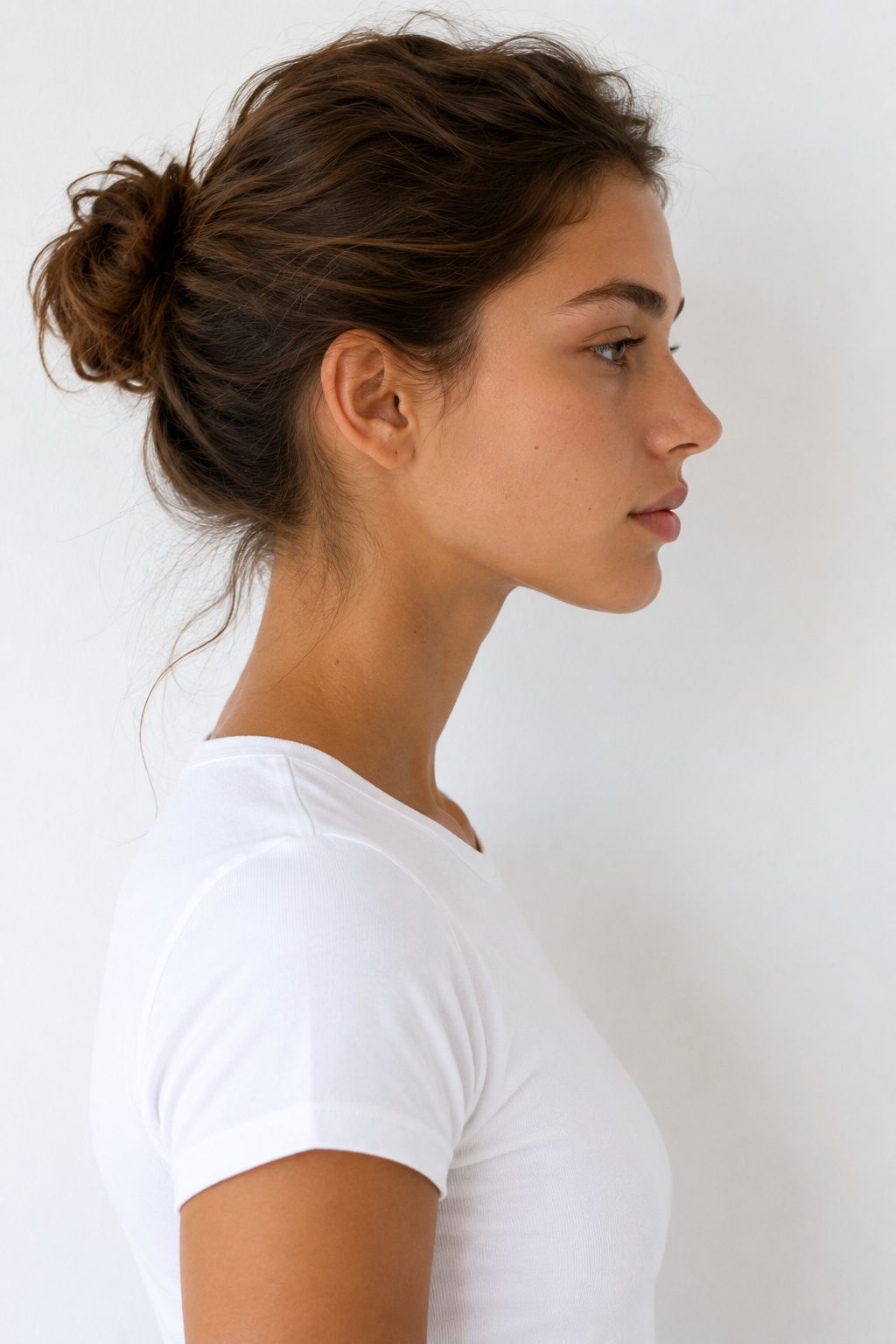
- Right profile — face
- Left profile — face
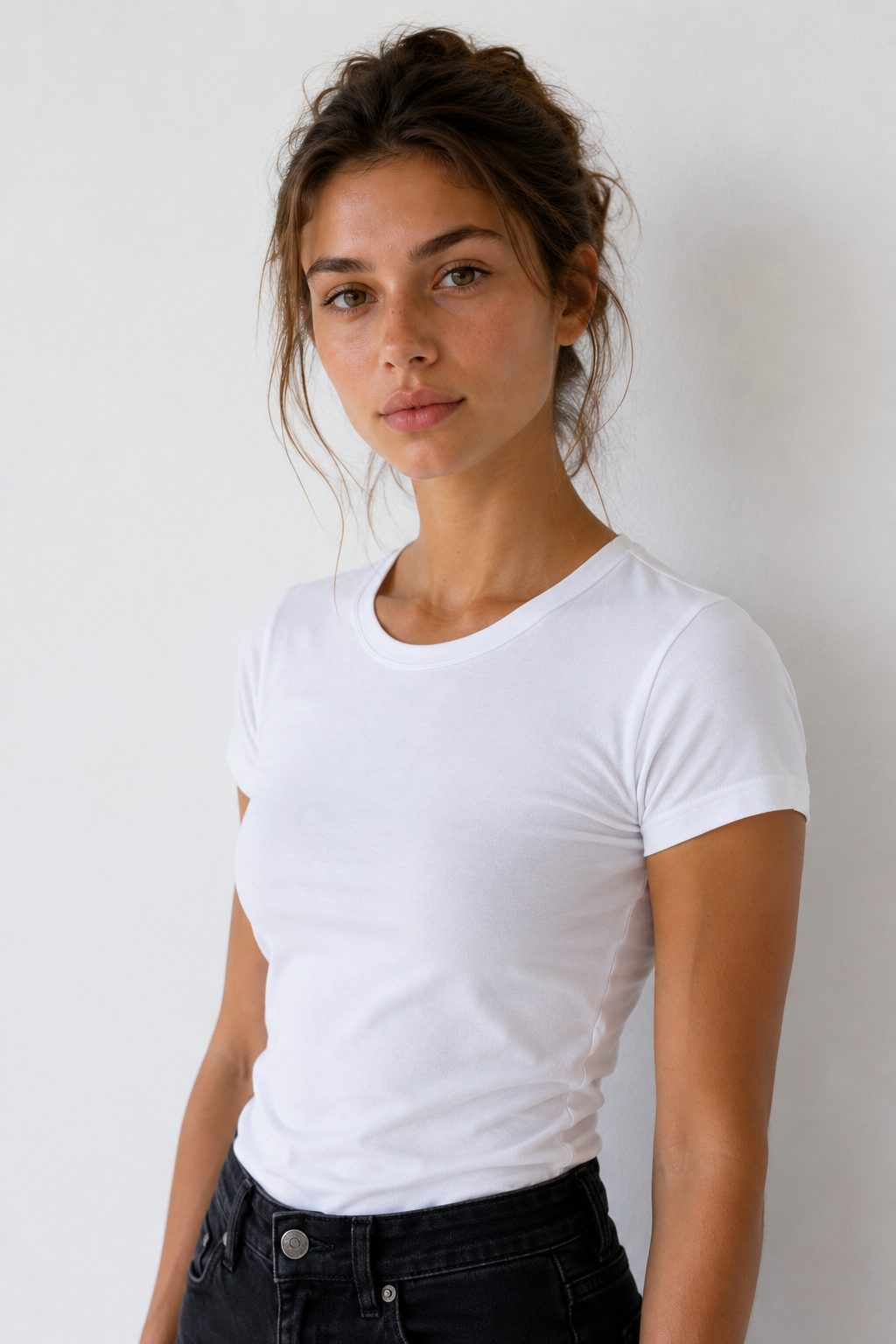
- Three-quarter face
- Full body front
- Full body back
Some agencies also ask for a close-up of hands, feet, or hair. Always check the specific instructions in the agency’s email or application form before shooting.
Smartphone or Professional Photographer?
You don’t need a professional photographer. Any recent smartphone — any flagship from the last 3-4 years — in good natural light produces exactly what agencies are looking for. “Too professional” photos with studio lighting can actually undermine the whole point of polaroids.
What you actually need:
- Smartphone with standard camera (avoid portrait mode with artificial blur — everything should be in focus)
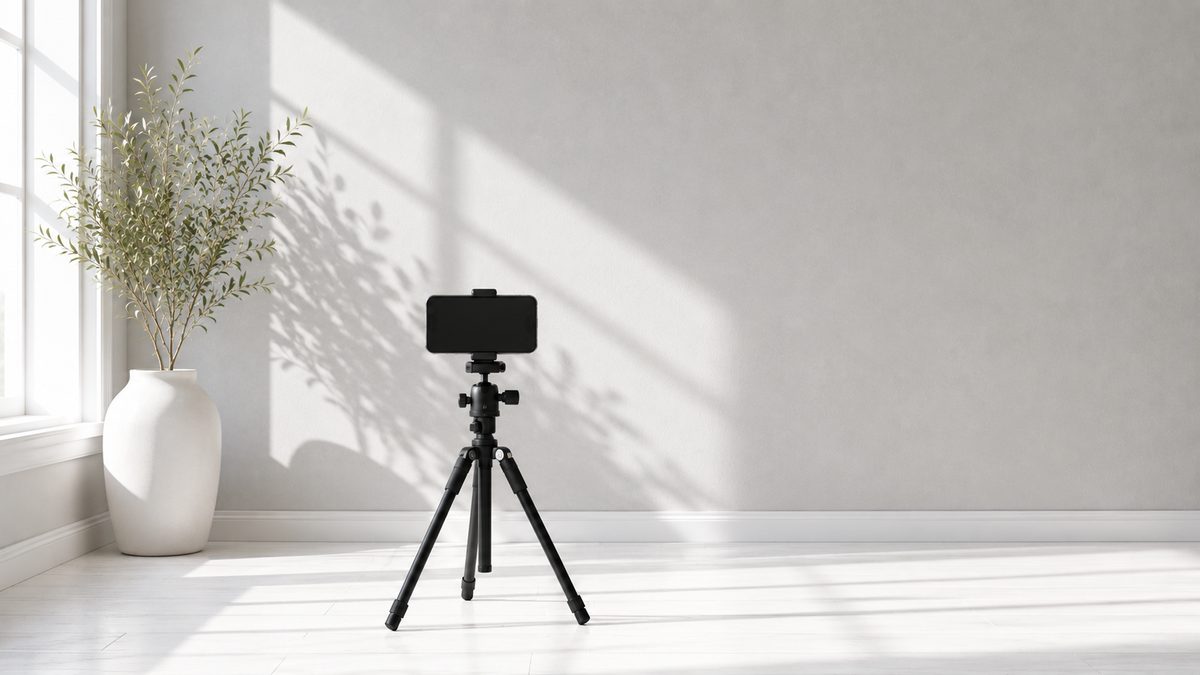
- Tripod or someone to take the photos for you (selfies are unsuitable for full-body poses)
- White or grey wall as background
- Window with good diffused natural light
When does it make sense to hire a photographer? If you’re aiming to work with a high-end agency for editorial shoots or advertising campaigns, a professional who understands polaroid standards can help with posing and lighting while keeping the correct aesthetic. Not required, but in very competitive contexts it can make a difference.
Filters, Retouching, Photoshop: The Answer Is No
No filters. No retouching. No beauty apps. No automatic “beautify” mode.
This is the most frequently broken rule — and the one with the most serious consequences. Agencies immediately recognize a retouched or filtered photo. After evaluating thousands of polaroids, certain digital patterns become unmistakable: skin that’s too smooth, a face shape that’s slightly altered, unnatural shadows.
Sending filtered or retouched polaroids communicates two negative things:
- You don’t understand the format and aren’t professional
- You have something to hide
Watch out for your smartphone’s automatic settings. Many phones activate modes that smooth skin, whiten teeth, and enlarge eyes by default — even when you’re not using explicit filters. Before shooting, go into your camera settings and disable any “beauty mode”, “face optimization”, “smooth skin” or similar features.
Common Mistakes to Avoid
- Heavy makeup: even if it’s your everyday routine, it needs to come off for polaroids
- High-angle selfies: they distort proportions and make it impossible to evaluate structure and height
- Backlit photos: the light source should never be behind you
- Wrong outfit: baggy clothes, jumpers, tracksuits — they don’t show the body
- Forced expression: no plastic smile, no red-carpet pose — relaxed and natural
- Blurry or out-of-focus photos: always check sharpness before saving
- WhatsApp-compressed photos: they lose quality. Use email, WeTransfer, or the agency’s form
How to Submit Polaroids to an Agency
Once your set is ready, standard technical specifications are:
- Format: JPEG
- Resolution: at least 1500px on the long side, ideally 2000–3000px
- Number of photos: typically 4–8, following the agency’s instructions
- File naming: use clear names — e.g.
firstname-lastname-front.jpg,firstname-lastname-right-profile.jpg
Always send via email or through the agency’s official form. Avoid WhatsApp and Telegram — automatic compression destroys quality.
Historical reference: Polaroid Corporation — Wikipedia
Want to Work with TOAgency?
Send your polaroids and profile. The team responds within 24 business hours.


